Luckily, today we are exposed to so many tastes and flavors, and so many spices and herbs are available by mail order that we can play with food like never before.
The base, the mirepoix, the sofrito is the key to global flavors. I did a deep dive for fun, and the result was a graphic shortcut to building interesting dishes with regional flavors.
Knowing the base ingredients unique to a culture, catapults you into a world of flavors.
Want to play a game?
Match these sofritos to their nation/country of origin, or should I say region. Wars change borders, but the people and food are not defined my borders. Look at Spain, there are distinct differences between north and south. Different cultures. It’s just such a fun way to study the world.
Eastern European Recipes
Vegan Recipes
Gluten Free Recipes


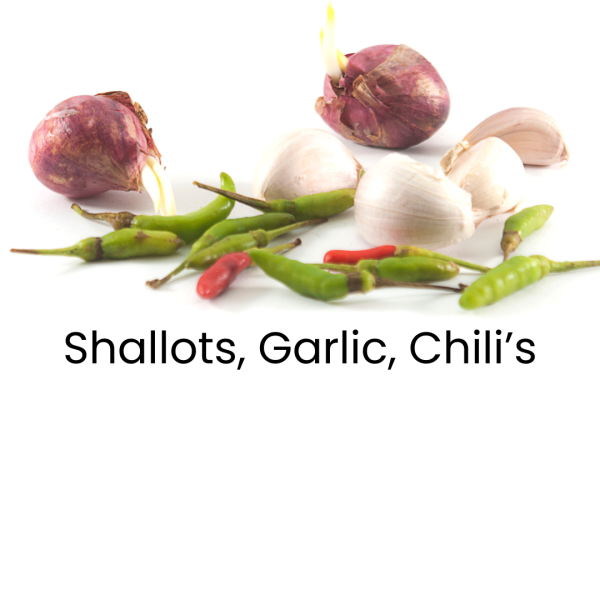


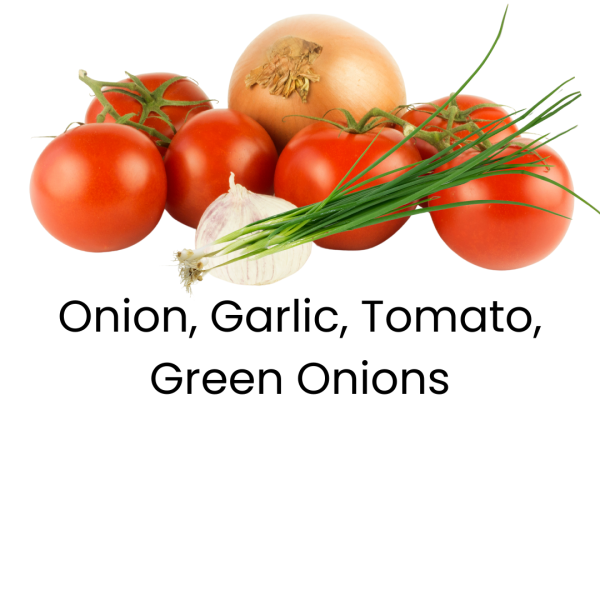


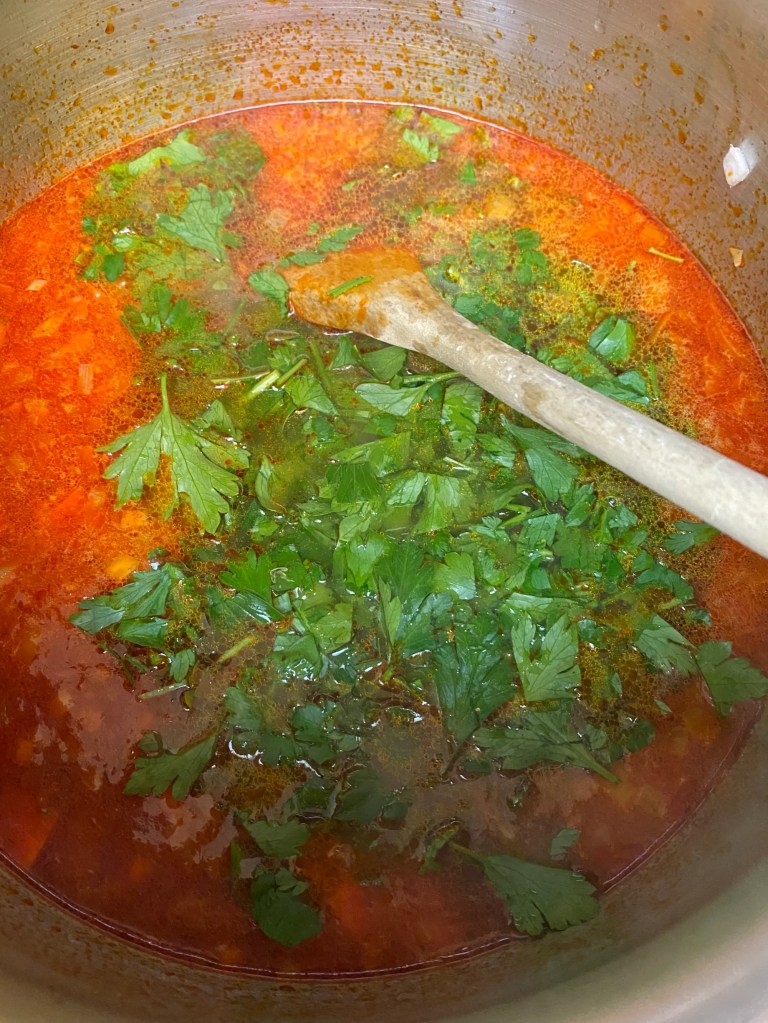
The last sofrito, onion and paprika is the base of most of my dishes. But the French mirepoix of celery, onion and carrots is also integrated, as is bayleaf and parsley.
Some of my favorite stocks and seasonings.
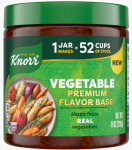
Indispensable for adding rich color and umami flavor is Vegemite or Marmite, a highly concentrated yeast product. A little goes a long way. Trust me.

The way I learned to create flavor, was the method of building the base of a dish. Here there are no shortcuts. Once you master these simple steps, it becomes second nature and everything you make is delicious.

My flavor building method
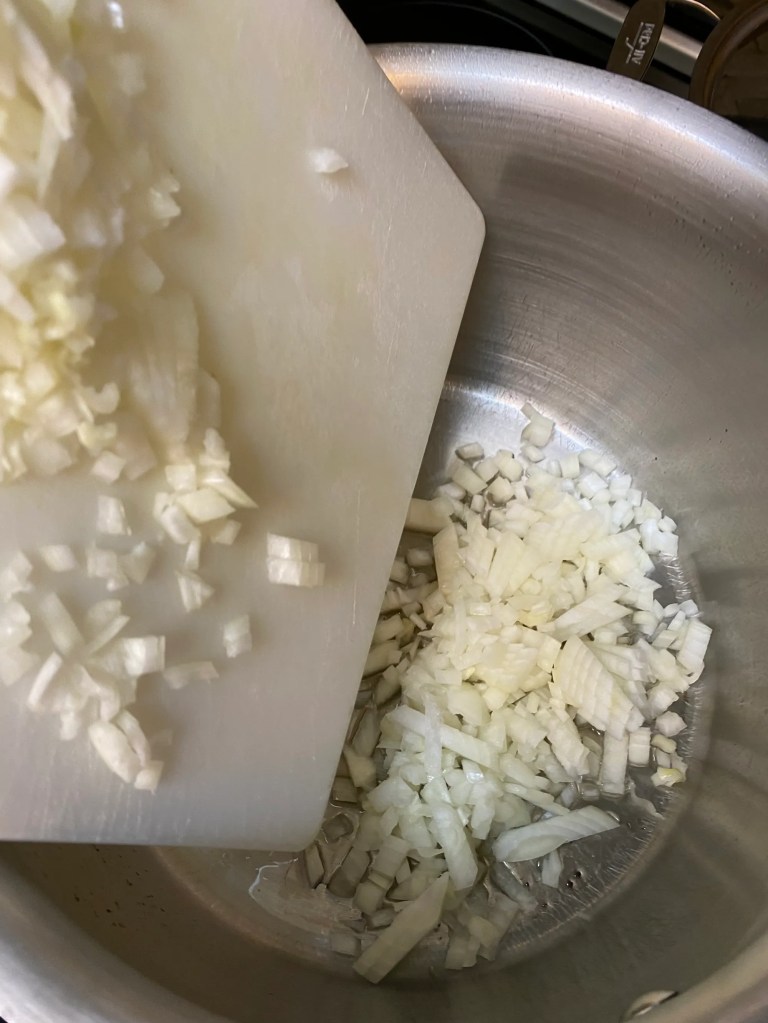
Invariably, my first step to building incredible flavor is the onion. One of the most diverse and in my eyes, beloved allium on the planet.

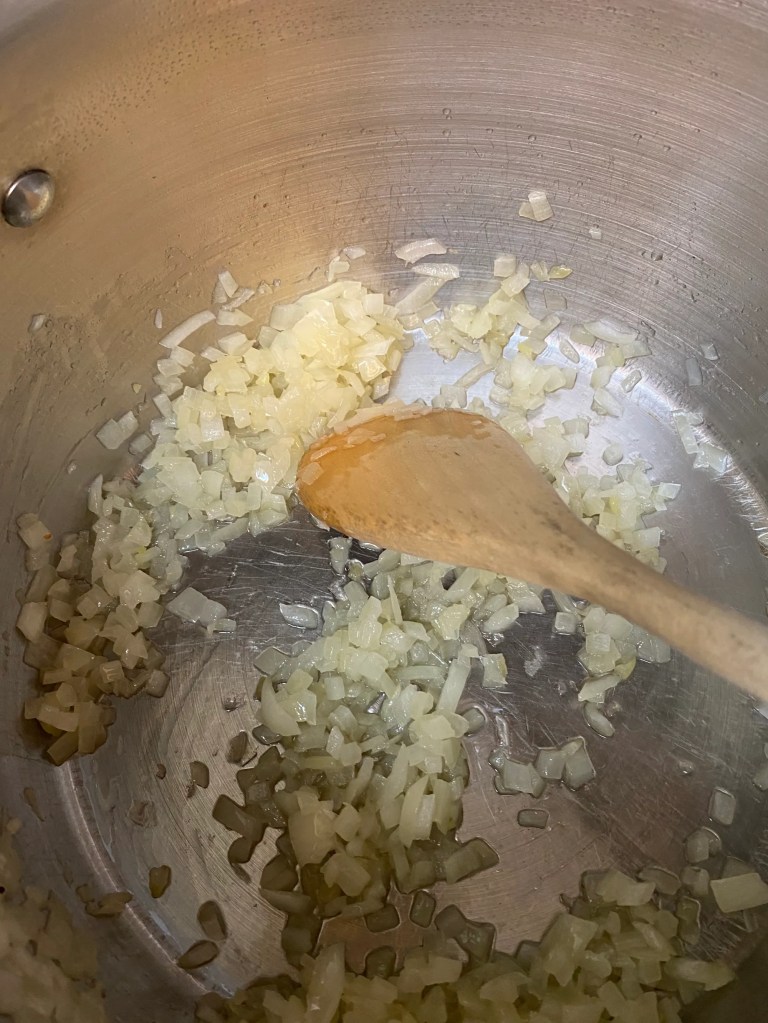
The base of most of my Hungarian dishes is this flavor bomb of a duo. To build flavor and not burn the paprika to bitterness, it’s critical to add paprika at the right time and the right temperature. First you must sauté and sweat don the onions until they are translucent. Take the pot off the stove and let cool to a warm to tepid temperature, then add the paprika to the oil and onion mix until it’s well integrated. This helps the paprika to bloom and release it’s flavor.
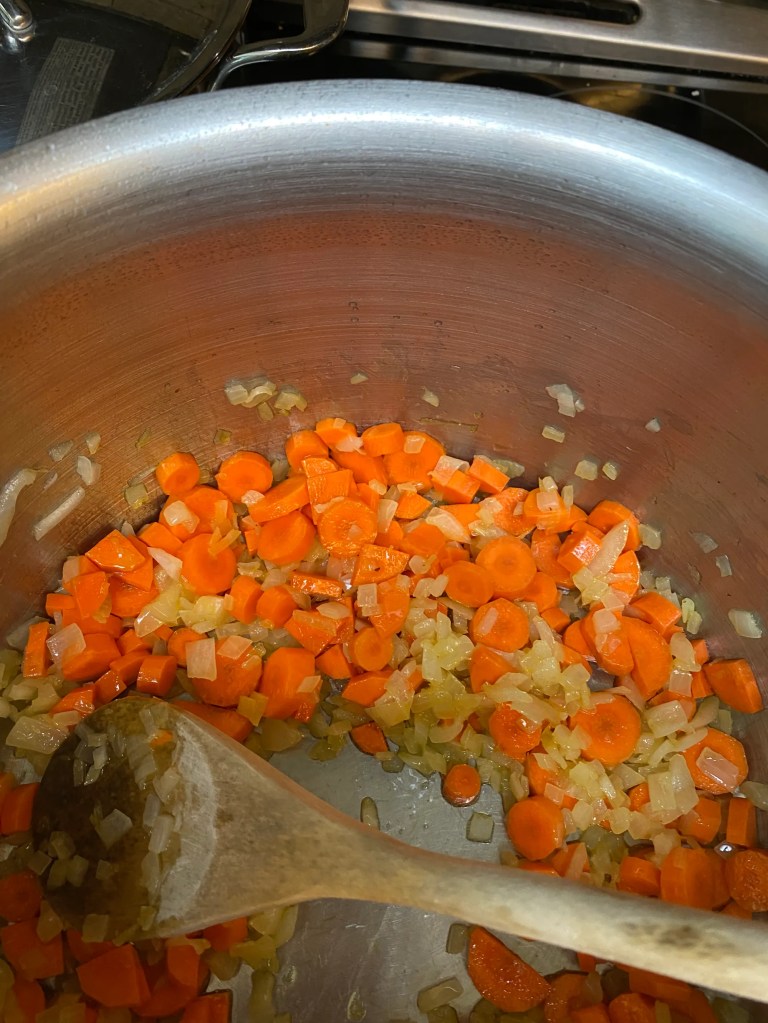
If the recipe calls to sauté onions, garlic, carrots, celery, peppers, then cook the aromatics and vegetables, cool and add the paprika at that time.

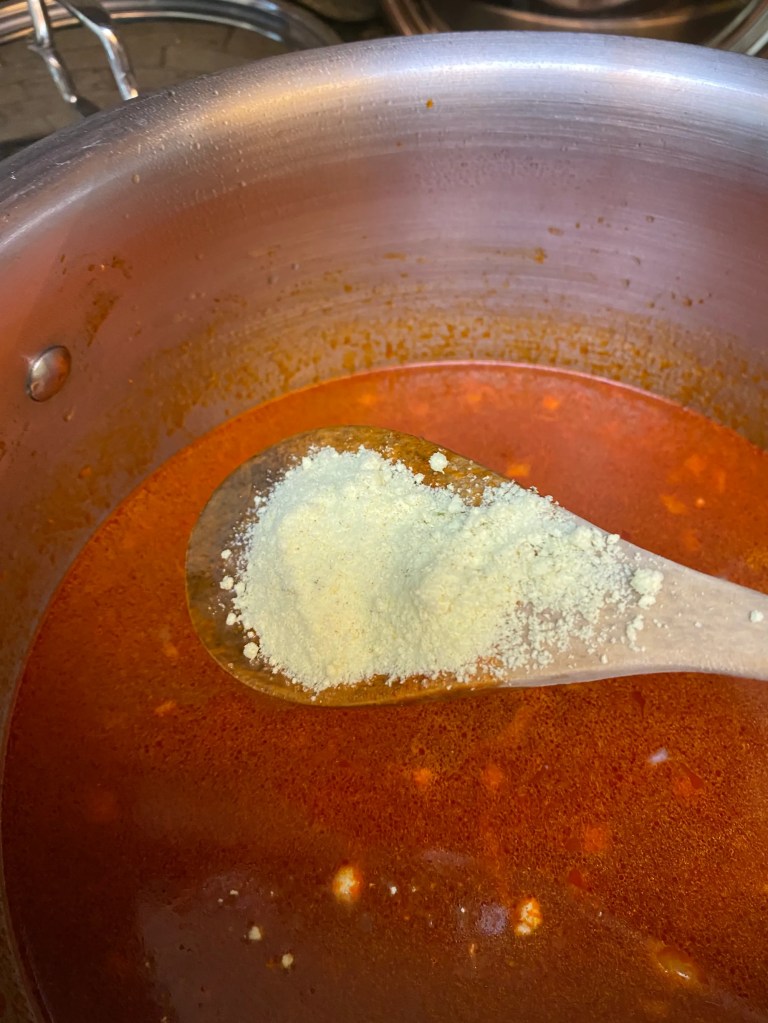
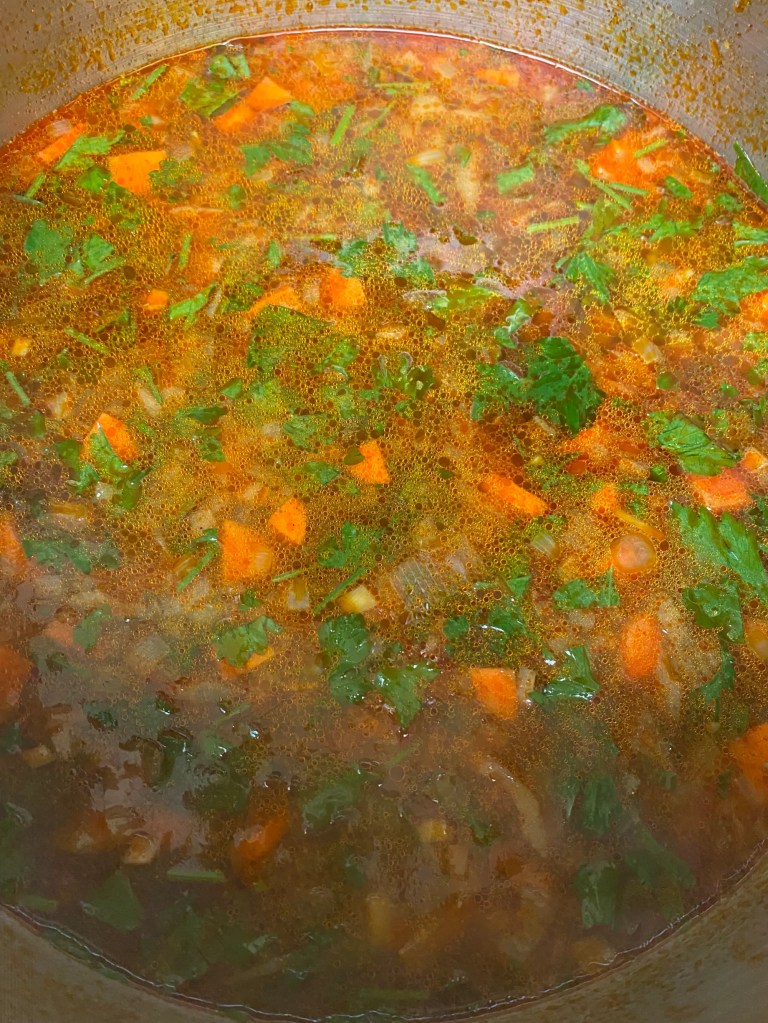
Secondly, add the bouillon powder, or stock, just enough to cover whatever vegetables you add to the pot. You can add more water later. At this point the dish can be either a soup or stew. If you don’t have much freezer space, you can freeze in smaller containers and add water when you defrost and cook the meal.
The bouillon generally has salt, so don’t add salt at the beginning of the cook. After the vegetables have cooked a little while, taste and adjust salt levels. Check again after you add more water if you’re making the soup version.
“You can always add salt, but you cannot take it away”
That’s true. But I learned from my mother this ancient family solution to the over salting problem.
Add decent sized pieces of potato into the stew/soup and cook along with your dish. The potato will absorb excess salt. You can remove them when your desired salt level is reached, or just leave them in.
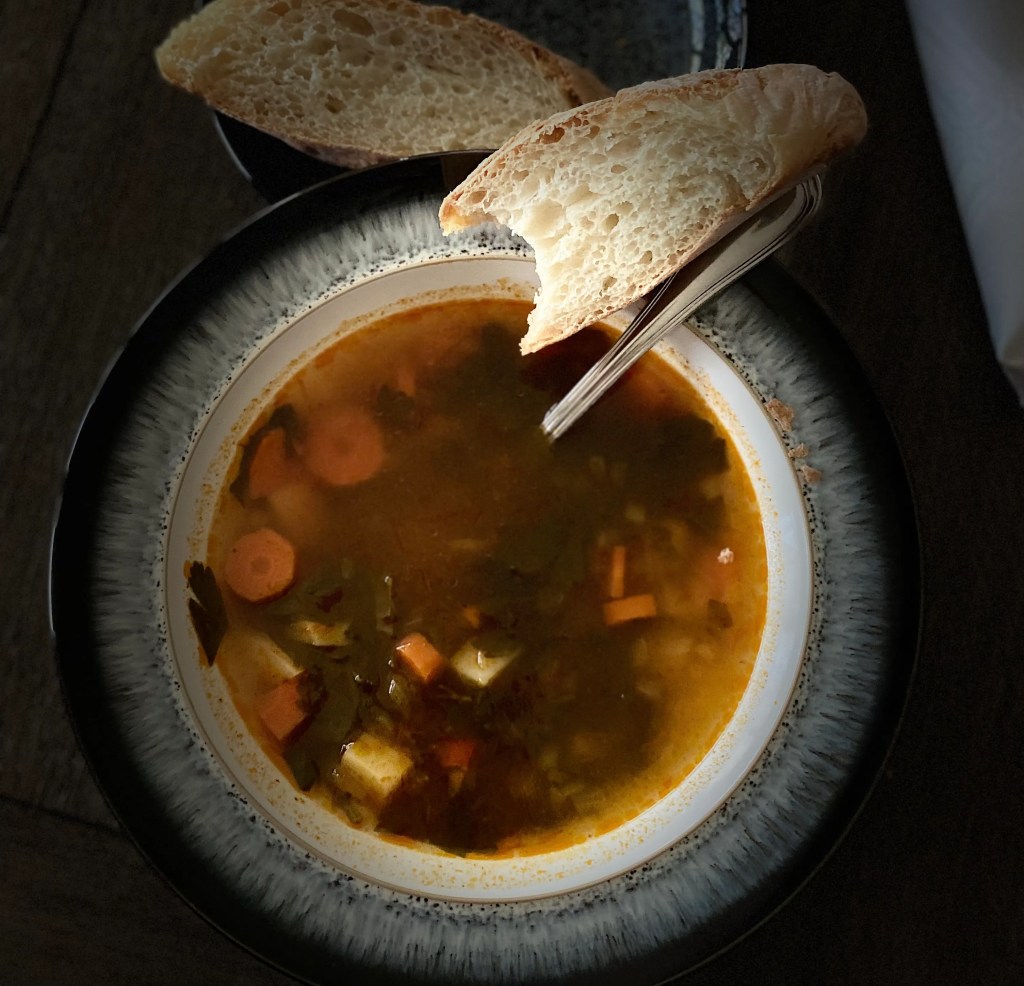
Step by step






 mizandie.com